Why Buy Australian Made Clothing? The Real Impact of Buying Local
When you pick up a piece of clothing, it’s easy to see the finished product.
What you don’t see are all the hands and skills behind it.
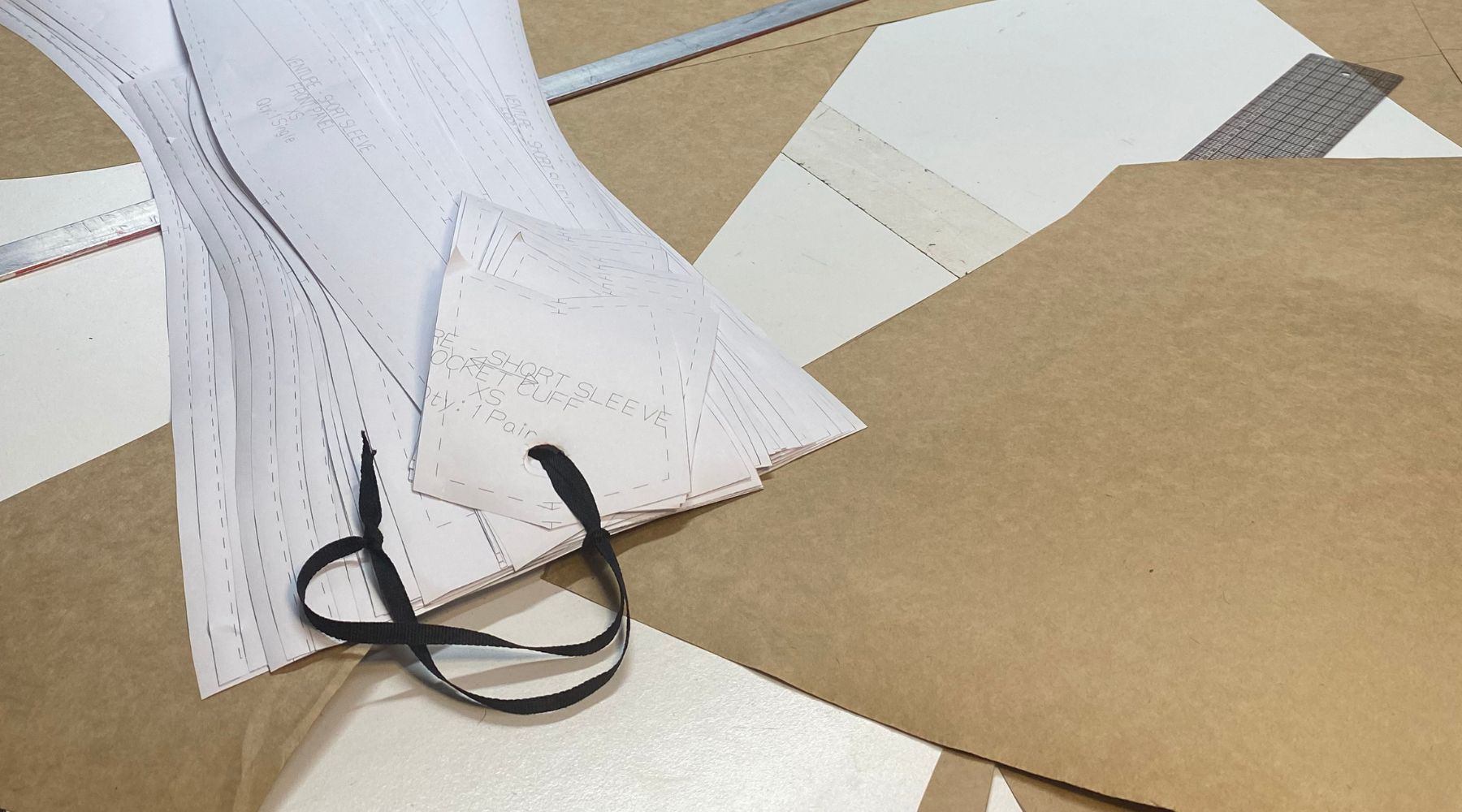
The patternmaker who turns an idea into something that can actually be made. The cutter laying out metres of fabric. The machinist who knows how to handle difficult stretch fabrics. The hours spent sampling, fitting, adjusting and getting all those little details right.
Lately, I’ve been thinking a lot about what happens if we lose the skills behind Australian-made clothing.
I’ve worked in and around clothing manufacturing for years, and right now I’m seeing first-hand just how difficult it is becoming for brands that want to manufacture locally.
Manufacturers are closing. Skilled workers are leaving the industry. Small production runs are becoming increasingly difficult to make viable.
And once that knowledge disappears, we can’t simply switch it back on.
What does Australian Made actually mean?
There can be a lot of confusion around terms such as Australian owned, Australian designed and Australian made.
They don’t all mean the same thing.
A business can be Australian owned but manufacture its products overseas. A garment can be designed in Australia but made somewhere else.
When a product is genuinely Australian Made, the manufacturing itself takes place here.
For products carrying the official green-and-gold Australian Made logo, specific criteria must be met before a business is licensed to use it.
So if supporting local manufacturing matters to you, it’s worth looking beyond the brand name and checking where the product is actually made.
Why Australian clothing manufacturing matters
For me, this conversation is about far more than patriotism.
It’s about keeping an industry alive.
Clothing manufacturing requires highly specialised skills. Patternmaking, cutting, sewing, and garment construction aren't skills learned overnight.
Many of the machinists and makers working in the industry today have decades of experience.
But Australia has fewer local factories and production rooms than it once did, which also means fewer places for the next generation to learn those skills.
If we keep losing manufacturers without replacing them, we don’t just lose businesses.
We lose knowledge.
And rebuilding that knowledge later would be incredibly difficult.

Buying Australian Made supports local jobs
When clothing is made locally, more of the production process happens within our own communities.
Machinists, cutters, patternmakers, printers, embroiderers, fabric and trim suppliers, photographers, designers, freight companies, and many other small businesses are involved along the way.
One garment can touch a surprising number of Australian businesses before it reaches the person who wears it.
Supporting Australian Made gives those businesses a reason to keep going, and creates opportunities to pass those skills on.
Small brands need local manufacturing too
One of the biggest challenges in Australian clothing manufacturing is scale.
Large factories naturally need volume to remain viable. But many Australian fashion and activewear brands don't need thousands of garments at a time.
They might need 30, 50 or 100.
Those smaller production runs are where local manufacturers can play an incredibly important role.
They allow brands to test ideas, produce only what they need and respond to their customers without committing to enormous quantities of stock.
But small-run manufacturing is labour-intensive, and it has to be priced accordingly.
That’s one reason locally made clothing can cost more.

Why does Australian-made clothing often cost more?
This is something I think we should be open about.
Manufacturing clothing in Australia is expensive.
Australian wages, rent, equipment, insurance and all the other costs involved in running a manufacturing business have to be covered.
And clothing itself is labour-intensive.
A person is still sitting at a sewing machine making that garment.
So when you compare an Australian-made garment with something produced in enormous quantities overseas, the price can look very different.
That doesn't mean everyone has to buy Australian Made all the time.
For most of us, price matters.
But understanding why something costs more gives us a more realistic picture of what we are paying for.
Australian Made doesn't automatically mean “better”
I think this distinction matters.
A product isn't automatically better simply because it was made in Australia, just as an overseas-made product isn't automatically poor quality.
Good clothing comes down to design, fabric, construction, fit and the standards of the people making it.
One advantage of manufacturing close to home, however, is that brands can have much greater visibility over the production process.
Problems can be picked up quickly. Changes can be made. Samples can be fitted and adjusted. And there can be a much closer relationship between the person designing the garment and the person making it.
For a small business, that can be incredibly valuable.
What Australian-made means at Birds on Bikes
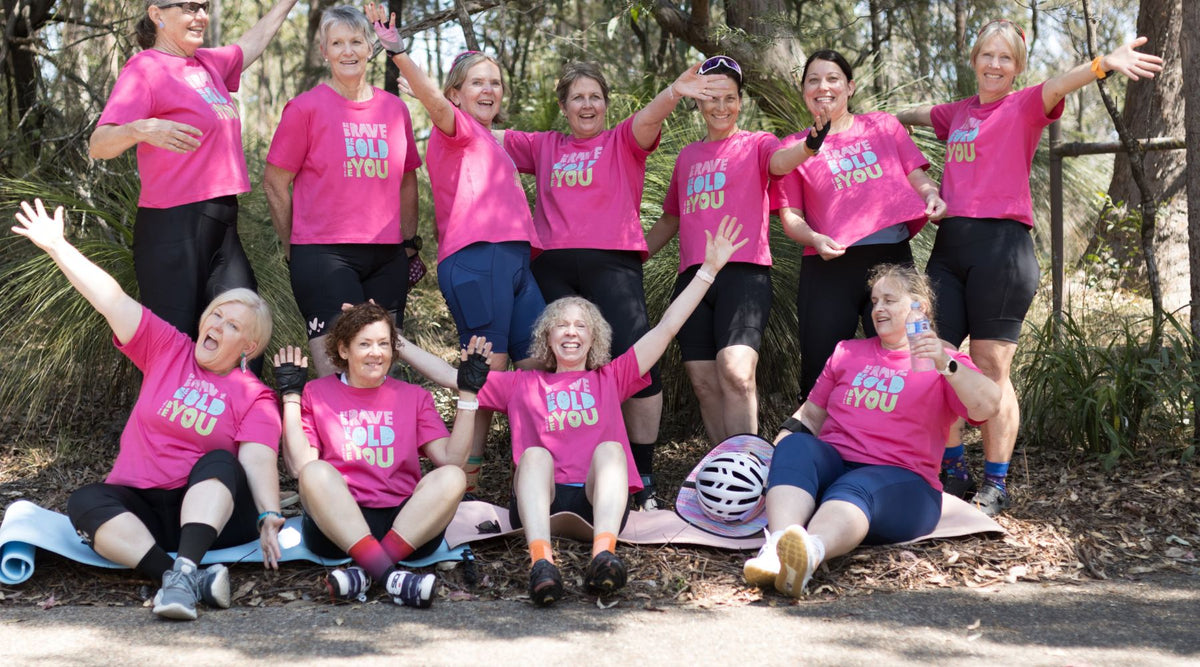
Birds on Bikes began because I wanted to make cycling clothing that worked better for women.
Not just smaller versions of men's cycling gear, but clothing designed around women's bodies, comfort, and the way many of us actually ride.
Being able to develop and make our clothing here in Brisbane has allowed us to stay very close to that process.
I can see a new style go from an idea to a pattern, to the cutting table and then onto the machines.
If something doesn't sit properly, we can change it.
If a customer gives us useful feedback, I can take that information straight back into development.
And I know the people involved in making the garment. That connection to the product is something I value enormously.

But Australian manufacturing is getting harder
This is the uncomfortable part of the conversation.
Recently, I’ve seen several examples of Australian clothing brands struggling to find local manufacturing.
Some manufacturers no longer have the capacity to take smaller runs.
Others are closing.
And every time one closes, we potentially lose another place where skills can be learned and passed on.
It worries me.
Because we often talk about wanting to buy Australian Made, but for that choice to exist in the future, we need people and businesses here who can actually make the products.
Supporting Australian manufacturing isn't only about what exists today.
It's also about whether we still have an industry tomorrow.
How can you tell if clothing is really Australian Made?
If buying locally made clothing is important to you, there are a few simple things you can check.
Look at the garment label and the brand's website.
See whether they clearly state where the product is manufactured rather than simply saying “Australian designed” or “Australian owned”.
And where you see the official Australian Made kangaroo logo, you can check that the product or product range is licensed to carry it.
It’s also worth remembering that a brand may make some products in Australia and others overseas, so look at the individual product rather than assuming everything from that brand is made in the same place.
You don't have to buy Australian Made every time
I don't think this conversation should be about guilt.
We all have budgets, priorities and different reasons for choosing what we buy.
And Australian manufacturing won't survive simply by telling people they should buy local.
We have to make products people genuinely want.
They need to fit well, perform well and earn their place in someone's wardrobe.
But when you do have a choice, and when an Australian-made product is right for you, that purchase can mean more than you might realise.
You're helping keep local businesses operating.
You're helping keep specialised skills in Australia.
And you're helping make sure there is still a clothing manufacturing industry here for the next generation.
For me, that's why Australian Made matters.
Barbara x
Founder, Birds on Bikes
Women’s cycling clothing designed for comfort, confidence and real rides.

Written by Barbara Spooner


Leave a comment
This site is protected by hCaptcha and the hCaptcha Privacy Policy and Terms of Service apply.